Why the Corporate 'Tech Debt' Crisis Could Make Your Next Loan Harder to Get

What changed
The private credit market, which has ballooned to $3 trillion, is currently facing a reckoning within the software sector. According to data from SaaStr, there is currently $46.9 billion in US tech debt sitting at distressed levels. Furthermore, 23 out of 32 rated Business Development Companies (BDCs)—major non-bank lenders—are facing a $12.7 billion "maturity wall" in 2026, where significant unsecured debt will come due all at once.

How it works
For years, software companies were fueled by "easy-growth" capital, allowing them to carry high debt loads. However, the market is shifting. While Mean CEO's BLOG notes that the current public market favors discipline—rewarding SaaS companies that maintain moderate growth (12.7% median) and solid EBITDA margins (22.6% median)—this transition is painful for companies that relied on cheap cash.
SaaStr and Mean CEO's BLOG both highlight that the era of loose capital is over. The "maturity wall" described by SaaStr represents a bottleneck; as these massive loans come due, lenders are forced to decide whether to refinance these distressed tech companies or cut their losses. This creates a liquidity crunch that forces lenders to recalibrate their risk exposure.
Who it hits
This trend impacts BDCs and private equity firms heavily exposed to software. However, the ripple effect moves downstream. When large-scale lenders face uncertainty in their corporate portfolios, they naturally tighten their underwriting criteria across the board to preserve capital. This usually results in a contraction of credit availability, affecting anyone applying for unsecured lines of credit, debt consolidation loans, or personal financing.
Why this matters for you
If you are currently rebuilding your credit or looking for an unsecured personal loan, this "maturity wall" is a warning sign to act deliberately. When institutional lenders get spooked by multi-billion dollar losses in the tech sector, they almost always raise their internal "scorecards." You might notice that lenders who were previously willing to work with lower credit scores suddenly become more conservative, or that the interest rates offered for debt consolidation begin to tick upward.
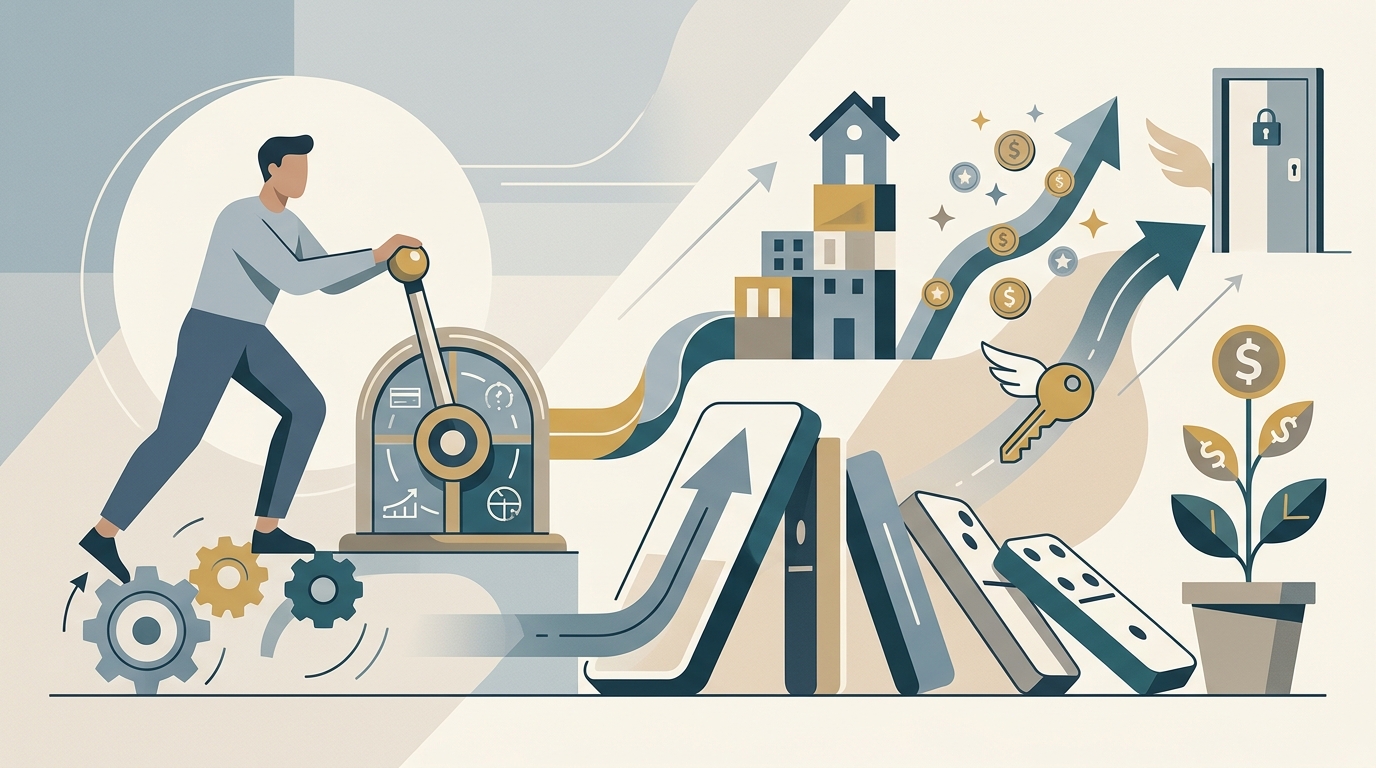
For your personal financial reality, this means "shopping around" is more critical than ever. As lenders tighten their belts, you might see fewer "guaranteed" approvals and stricter income requirements for the same loan amounts you would have qualified for six months ago. If you are planning to consolidate high-interest credit card debt, the window to lock in favorable rates may narrow as these institutional lenders grapple with their own balance sheet stability.
Bottom line
Massive corporate debt distress in the tech sector often leads to stricter lending standards for everyday consumers. Expect lenders to be more selective, potentially leading to higher interest rates or stricter qualification requirements for your next personal loan.
Check current personal loan rates and see if you qualify.
Disclosures
This content is for educational purposes only and is not financial advice. mycredpal.com may receive compensation from partner lenders, which may influence which products are featured. Rates, terms, and availability vary by lender and applicant qualifications.
What business owners say
4.9-
This company was lightning fast and the experience was amazing. Thank you, Dan — you're a real pro!
-
Good service Joseph Krajewski is the best agent ever. He provided excellent service. I strongly recommend working with him if you have the opportunity.
-
They gave me a chance when nobody else would. I'm very satisfied.
Frequently asked questions
What is a BDC?
A Business Development Company (BDC) is a type of organization that invests in small- and medium-sized companies. They are major players in the private credit market.
How does corporate debt impact my personal loan?
When lenders lose money on large corporate bets, they often become more selective. This leads to stricter underwriting standards, making it harder for individuals to get approved for loans.
Is a 'maturity wall' bad for consumers?
A maturity wall occurs when large amounts of debt come due at once. If companies can't refinance that debt, lenders get nervous, which often ripples down to individual credit markets, leading to fewer loan approvals and higher rates.
- The Ultimate Guide to Loan Lenders in 2026: Find, Compare, and Qualify (14/08/2026)
- How to Secure Amazon S3 Credentials in 2026 – A Practical Guide for Credit Repair Pros (12/08/2026)
- How to Secure AWS Credentials for Credit Repair and Unsecured Loans in 2026 (09/08/2026)
- Dockerfile Essentials for Credit Repair Entrepreneurs in 2026 (08/08/2026)
- Private Key Security & Loan Applications: Protect Your Data in 2026 (07/07/2026)
- How to Submit & Track Your Personal Loan Application in 2026 (07/07/2026)
- Des Moines Personal Credit Repair and Unsecured Installment Loans (19/06/2026)
- Personal Credit Repair and Unsecured Installment Lending in Yonkers, New York (16/06/2026)